Why Anxiety Gets Louder at Night and What Your Brain Is Trying to Tell You

Share
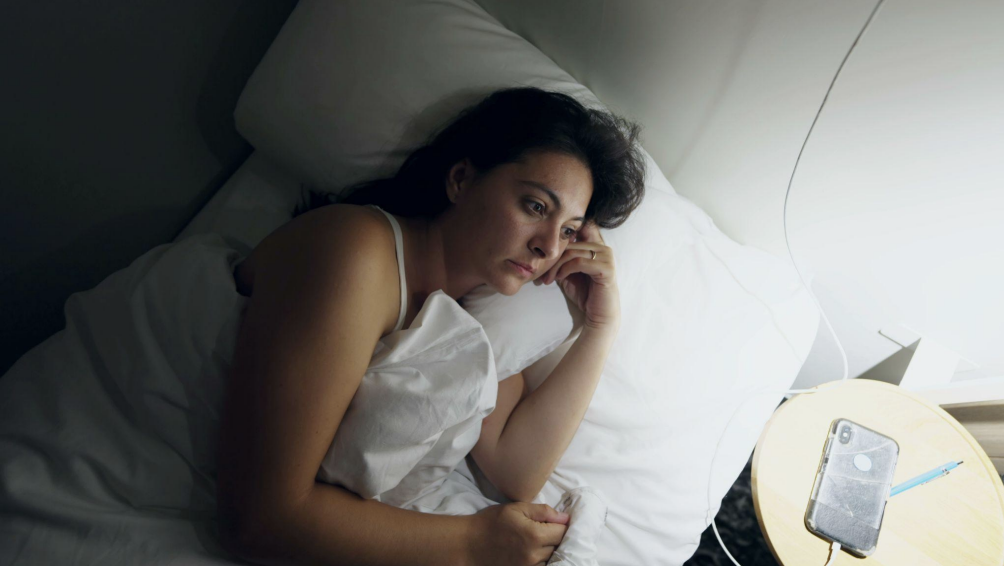
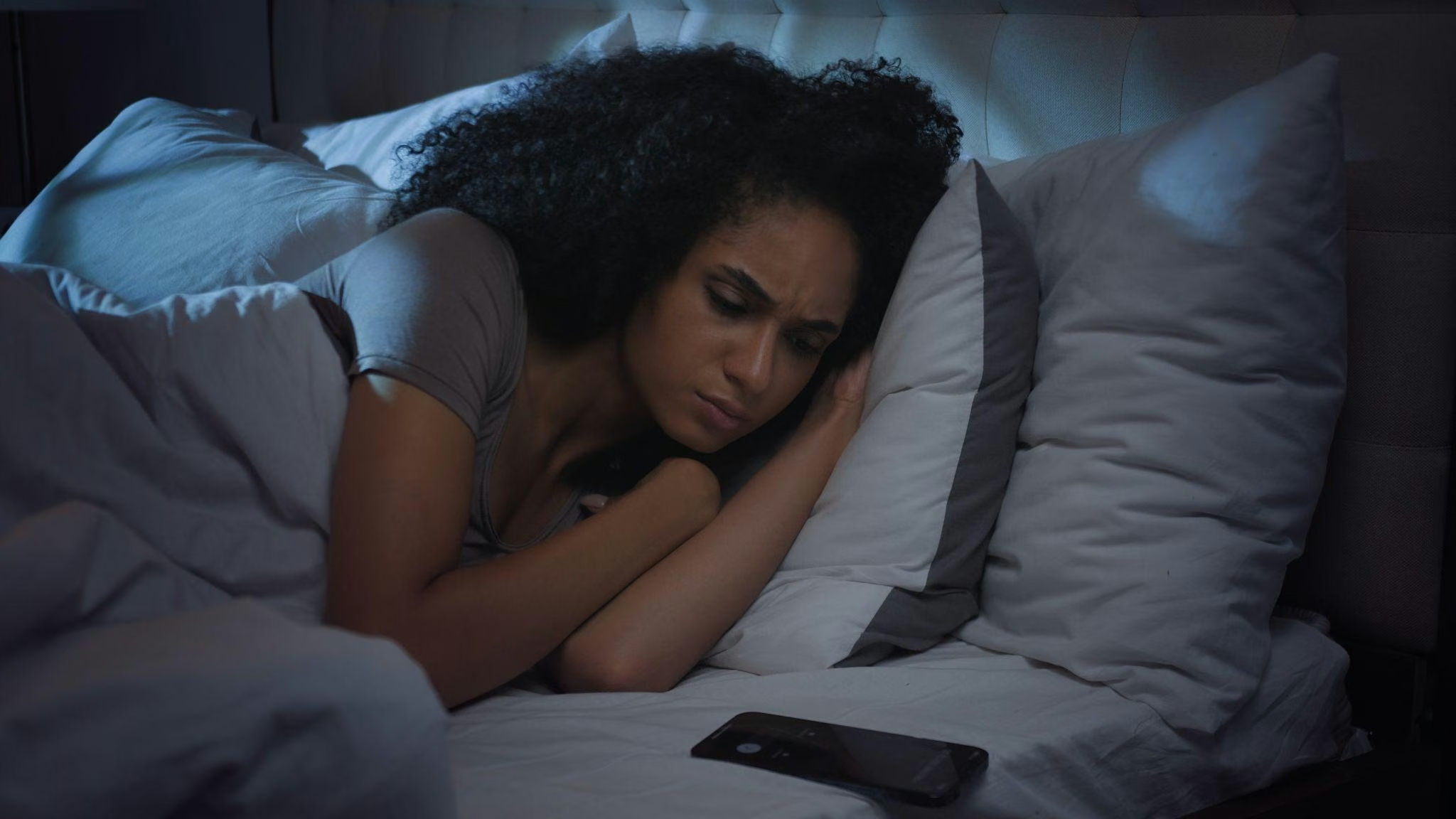
You can make it through an entire day feeling reasonably capable, even productive, and then lie down at night only to feel as though your thoughts have been waiting for their turn. Suddenly, the conversation from earlier replays. The appointment you need to schedule feels urgent. A small physical sensation becomes a bigger worry. Tomorrow starts arriving all at once.
For many people, nighttime anxiety is not a sign that they are doing something wrong. It is often what happens when the structure, noise, and demands of the day finally fall away. The mind has more room to notice what it has been carrying. Understanding why anxiety gets louder at night can help you meet it with more compassion and a more useful plan than simply telling yourself to stop thinking.
Why nighttime can make anxiety feel bigger
During the day, your attention is pulled outward. Work, children, errands, messages, meals, and decisions provide constant direction. That activity can be exhausting, but it can also keep difficult thoughts just below the surface. When the house gets quiet and there is nothing immediate to solve, your brain shifts from doing to processing. The concerns you postponed may return, not because they are suddenly more dangerous, but because there is finally space to feel them.
There is also a biological piece. By evening, most people have fewer emotional resources left. If you have spent the day regulating your reactions, meeting other people’s needs, managing uncertainty, or pushing through fatigue, your ability to put worries in perspective is lower. A tired brain is more likely to treat an unanswered question as a threat and less able to generate balanced alternatives.
For parents, professionals, students, and caregivers, nighttime may be the only part of the day that is not organized around someone else. That can bring relief and discomfort at the same time. The feelings that did not fit into the day can start asking to be noticed.
The difference between worry and a problem that needs action
Nighttime thinking often feels productive because it is busy. But worry is not the same thing as problem-solving. Problem-solving has a clear question, a next step, and a point at which you can pause. Worry tends to circle: What if this happens? What if I missed something? What if I cannot handle it? It asks for certainty that no one can fully provide.
A helpful question is: “Is there an action I can take right now?” If the answer is no, the goal is not to force yourself to resolve the issue at 11:30 p.m. The goal is to help your brain trust that the issue has a place to go tomorrow. A note on your phone or a short list for the morning can be enough to signal, “I am not ignoring this. I am postponing it on purpose.”
What can make nighttime anxiety worse
A few common patterns can intensify the cycle. Scrolling through distressing content keeps the nervous system alert and introduces new material for the mind to process. Caffeine later in the day can make normal stress sensations feel more intense. Irregular sleep schedules can leave the body unsure when it is meant to wind down. Alcohol may seem relaxing at first but can disrupt sleep and increase anxiety as it wears off. None of these habits mean you have caused your anxiety. They are simply useful places to look for leverage.
It is also worth noticing whether your evenings are the only time you check in with yourself. If every feeling is delayed until bedtime, your brain may begin to associate getting into bed with emotional catch-up. Small pauses earlier in the day can reduce that backlog.
A calmer way to respond when the thoughts begin
Start by naming what is happening with precision: “My anxiety is louder because the day has slowed down.” This is different from saying, “Something must be wrong.” Naming the pattern helps create distance between you and the alarm your mind is sounding.
Then choose one grounding action that involves your body, not just your thoughts. Try a slow exhale that is slightly longer than your inhale, relax your shoulders and jaw, place both feet on the floor, or notice five neutral things in the room. These are not tricks to erase anxiety. They are ways to give your nervous system evidence that this moment is not an emergency.
Next, give the worry a container. Keep a small “tomorrow list” beside the bed. Write the concern in one sentence, followed by the first realistic action you can take. For example: “I am worried about my child’s school issue. Tomorrow at 10 a.m., I will email the teacher.” When there is no action to take, write: “This is an uncertainty I cannot solve tonight.” Repeating that sentence may feel simple, but it interrupts the demand for immediate certainty.
Build an evening transition, not a perfect routine
You do not need an elaborate bedtime routine to support your mental health. What helps is a consistent transition between the responsibilities of the day and sleep. Ten or fifteen minutes of low-stimulation activity can make a difference: a shower, light stretching, reading a few pages of something gentle, preparing for the morning, or sitting without a screen. The point is to send a repeated message to your body that it is allowed to downshift.
If you live with others, you might also create a brief “closing conversation” before bed: What is one thing that needs attention tomorrow? What can wait? What went okay today? This can keep important concerns from emerging for the first time in the dark.
When it may be time for more support
Everyone has difficult nights. But if anxiety is regularly interfering with sleep, showing up as panic, affecting your concentration, or making daily life feel smaller, it deserves support. Therapy can help you understand the patterns underneath nighttime anxiety, including chronic stress, perfectionism, unresolved experiences, or a nervous system that has been in overdrive for too long. You do not have to wait until you are exhausted to ask for help.
At Navesink Wellness Center, therapy is a space to move beyond managing symptoms in the moment and understand what your anxiety may be asking for. With the right support, nights can become a place to rest rather than a place where every unfinished thought gets louder.
Frequently Asked Questions
Why does my anxiety feel worse at night?
Anxiety can feel stronger at night because the distractions and structure of the day have quieted down. You may also have less emotional energy to put worries in perspective, making unfinished tasks and uncertain thoughts feel more urgent.
How can I calm anxiety before bed?
Try creating a brief wind-down transition: reduce screen stimulation, write down tomorrow’s next steps, and use a body-based grounding practice such as slow breathing or gentle stretching. The goal is not to force sleep, but to help your nervous system recognize that the day is ending.
When should I seek therapy for nighttime anxiety?
Consider therapy if anxiety is regularly disrupting sleep, causing panic, affecting concentration, or making your day-to-day life feel smaller. A therapist can help identify and treat the patterns underneath the anxiety, rather than only managing it in the moment.
Our Services
Navesink's related services

The Navesink Network
Find your path to wellness in New Jersey
You deserve mental health care that truly works for you. That’s why we’ve created four welcoming locations across New Jersey, each designed with you in mind and staffed by clinicians who genuinely care about your journey.
At NWC, we’re here to help you move forward. Whether you’re feeling stuck, overwhelmed, or ready for change, our compassionate, evidence-based approach helps you gain clarity, overcome barriers, and create lasting transformation.




Contact Us
Expert guidance for your mental and physical well-being.
At Navesink Wellness Center, we believe that exceptional mental health care goes beyond the traditional therapy session.