Why Does My Child Fall Apart After School? Understanding Restraint Collapse

Share
The teacher says your child is a joy. Kind. Focused. Great with the other kids.
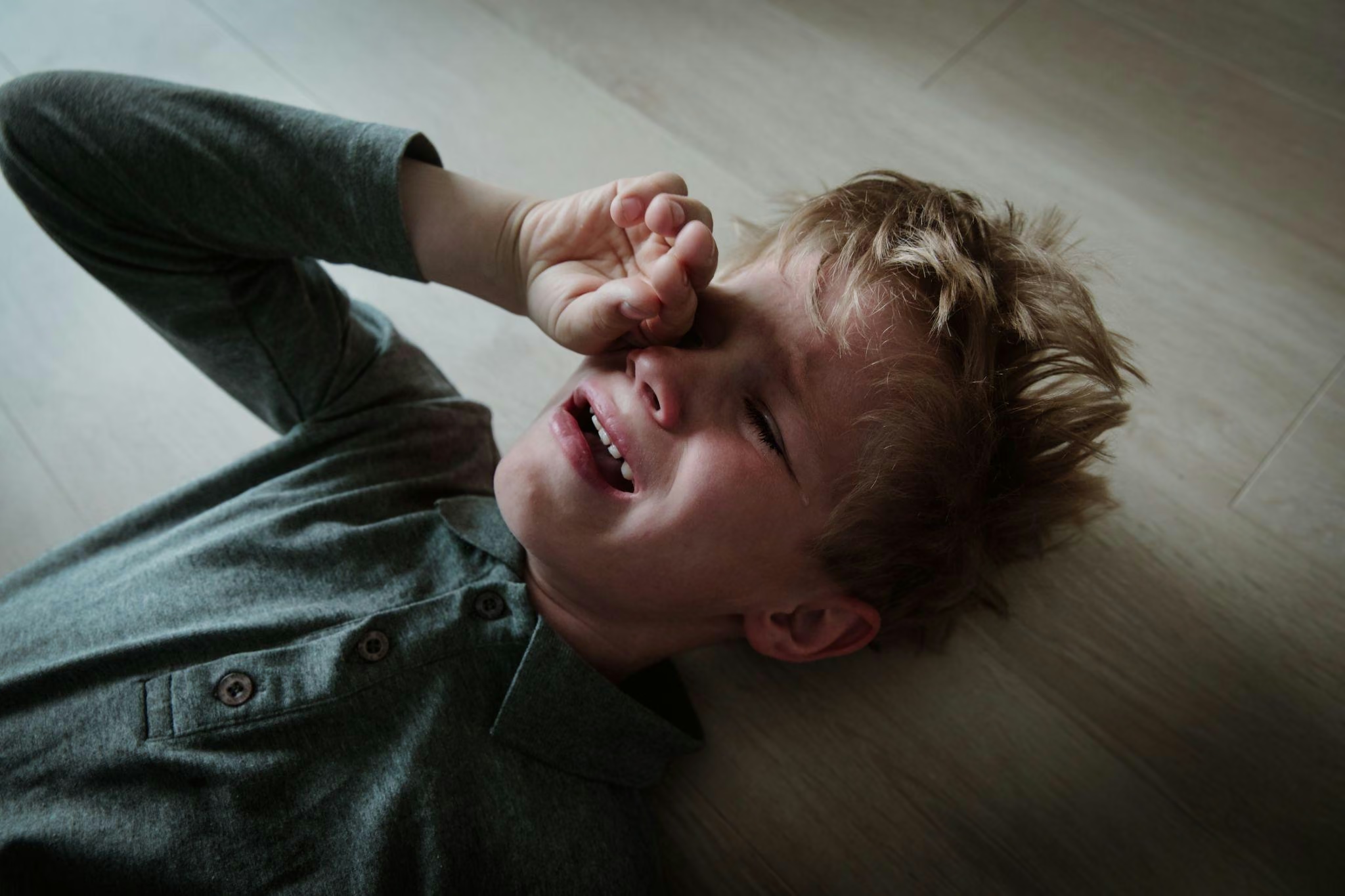
Then the front door opens. And everything falls apart.
Tears over the wrong snack. A fight with a sibling in under five minutes. A flat "no" to the simplest request. Or a child who disappears into their room and won't say a word.
And you're left standing in the kitchen wondering: If they can hold it together for six hours at school, why can't they manage one hour at home?
There's a name for this pattern. It's called after-school restraint collapse. Once you understand it, those hard afternoons start to make a lot more sense.
The Hidden Emotional Work of a School Day
Picture your child's day from the inside.
Sit still when your body wants to move. Raise your hand. Wait your turn. Figure out who to sit with at lunch. Laugh off the comment that stung. Push through the math problem that makes no sense. Switch activities the moment the bell rings. Tuck away the worry, the embarrassment, and the frustration for later.
Every one of those moments takes effort. Kids who look calm on the outside are often working very hard on the inside to stay that way.
By 3 p.m., the tank is empty.
What looks like defiance may be exhaustion. What looks like overreacting may be a nervous system that has hit its limit.
What Is After-School Restraint Collapse?
After-school restraint collapse describes what happens when a child holds their emotions and behavior together all day, then lets them out once they get home.
It's an informal term, and it captures something many parents see every single day. It shows up most often in children under 12, and it tends to peak at the start of a school year or after a big change, like starting full-day school or moving to a new classroom.
Signs of After-School Restraint Collapse
- Crying over small disappointments
- Arguing, talking back, or refusing simple requests
- Snapping at siblings
- Extra sensitivity to noise, touch, or questions
- Pulling away and wanting to be alone
- Clinginess or needing more reassurance
- Melting down at the start of homework, chores, or the evening routine
On their own, these behaviors rarely point to a serious mental health concern. They do, however, tell you something important about what your child needs.
How After-School Restraint Collapse Looks at Different Ages
Restraint collapse changes shape as kids grow. Knowing what to look for at each stage helps you spot it sooner.
Preschool and kindergarten
Little kids collapse loudly. Tantrums at pickup. Tears in the car seat. Hitting, throwing, or clinging to your leg. A full day in a group setting asks a lot of a small body, and they have very few words yet to tell you how hard it was.
Elementary school
This is where most parents notice it. Arguing over everything. Sibling fights within minutes of walking in. Homework battles. Big tears over small things. It often peaks in the fall and right after school breaks, when routines shift.
Tweens and teens
Older kids collapse quietly. The bedroom door closes. You get one-word answers, eye rolls, and hours of scrolling. Ask about their day and they snap. It's easy to read this as attitude. Often it's a teenager who spent seven hours managing friendships, grades, and how they come across, and has nothing left for conversation.
Why Do Kids Fall Apart at Home Instead of at School?
Home is where they feel safe
It can feel personal. In a way, it is. Your child lets go with you because you're their safe person. School asks them to perform all day. Home is where they finally get to stop.
Self-control runs on fuel
Emotional regulation is the ability to manage feelings, impulses, and stress in the moment. Knowing how to behave is only half of it. The other half is having enough energy left to do it.
That energy rises and falls throughout the day. Hunger, poor sleep, noise, social stress, anxiety, and transitions all drain it.
A child who handled a tough moment at recess at 11 a.m. may crumble over a broken pencil at 4 p.m. The skill was there all along. The fuel behind it ran out.
When it might be something more
Sometimes an after-school meltdown is a signal of something your child can't put into words yet. Look a little closer if you suspect:
- Sleep problems
- A learning difference, or schoolwork that feels too hard
- Bullying or friendship trouble
- ADHD
- Anxiety
- Sensory sensitivities
If the meltdowns are intense, happen almost every day for weeks, or seem to be getting worse, it's worth talking to someone who can help you sort out what's going on.
Start With Your Own Nervous System
Before any strategy, there's you.
Kids borrow calm from the adults around them. When your child walks in dysregulated and you meet them tense and rushed, their nervous system reads the danger and the storm grows. When you meet them grounded, their body has something steady to lean on.
This is hard at the end of your own long day. So build in a moment for yourself before pickup or before the bus pulls up. Sit in the car for one minute. Drop your shoulders. Unclench your jaw. Take three slow breaths, with the exhale longer than the inhale. Feel your feet on the floor.
Sometimes your child's meltdown lands on something deeper in you. Maybe you yell and then sit with the guilt all night. Maybe their tears make your chest tighten in a way you can't explain. Maybe you grew up in a house where big feelings weren't allowed, and now you're learning how to hold them for someone else.
That's where your own therapy can help. At Navesink Wellness Center, our therapists work with parents on their own stress, triggers, and the patterns they carried from childhood. The steadier you feel inside, the more calm you have to offer your child when they walk through the door.
7 Ways to Help Your Child After School
1. Create a soft landing
The first few minutes set the tone for the whole afternoon. Hold off on "How was your day?" and "Do you have homework?" Try a hug, a smile, and "I'm so happy to see you." The questions can wait.
2. Feed them first
Many kids walk out of school hungry, even if they don't say so. A snack and a glass of water right away can prevent more meltdowns than any conversation.
3. Build in quiet time
Give your child 20 to 30 minutes to decompress before anything is asked of them. A cozy corner. Drawing. Building blocks. Music. A warm bath. Let them choose what helps.
4. Let their bodies move
Some kids need to shake it off. A walk home, time at the playground, jumping on the trampoline, or a few minutes of stretching or yoga can help their bodies reset.
5. Lighten the afternoon schedule
Rushing from pickup straight to practice leaves no room to recover. If afternoons feel like a battle, look at what you can drop, shorten, or move to the weekend.
6. Stay steady when the storm hits
When your child melts down, your calm becomes their anchor. Lower your voice. Get down to their eye level. Keep your words short. "You had a long day. I'm right here." Save the lessons for later, once everyone has settled.
7. Talk about it on a calm day
When things are peaceful, help your child put words to the pattern. "I notice afternoons feel really hard for you. What helps you feel better when you get home?" Kids who understand their own patterns slowly learn to manage them.
What to Say to Your Child After School (and What to Skip)
The right words can shorten a meltdown. The wrong ones can stretch it out. Here are a few to keep handy.
At pickup or the front door
- Try: "I missed you." "I'm so glad you're home." "Want a snack?"
- Skip: "How was your day?" "Did you get in trouble?" "Do you have homework?"
In the middle of a meltdown
- Try: "That was a lot. I'm right here." "You can be upset. I'll stay close." "Let's breathe together."
- Skip: "Calm down." "You're overreacting." "Your teacher says you're fine at school."
Later, once everyone is calm
- Try: "What was the hardest part of today?" "What was one good thing?" "What helped you feel better this afternoon?"
- Skip: "Why did you act like that?" "You need to fix your attitude."
For tweens and teens
- Try: "No pressure to talk. I'm around if you want to." Or sit nearby in silence, or offer a car ride or a walk. Teens often open up side by side, without eye contact.
- Skip: Rapid-fire questions the moment they walk in.
What Your Child's Behavior Is Telling You
Behavior is communication. An after-school meltdown is your child saying, I used everything I had today, and I need you.
That's hard to hear at 4 p.m. with dinner on the stove and a toddler on your hip. It's also a sign of deep trust. Your child brings their biggest feelings to the person they feel safest with.
What We See in Our Work With Families
One of the most common things parents tell us in a first session is, "But the teacher says they're fine."
In our experience, the kids who hold it together best at school are often the ones working hardest to do it. The rule-followers. The people-pleasers. The quietly anxious kids who never want to get it wrong. Their good behavior is real. So is what it costs them.
We also see how quickly things shift once parents understand what's happening. The afternoons don't become perfect. But parents stop taking the meltdowns personally, kids feel less alone in them, and the whole house gets a little softer.
"The kids who fall apart at home are often the ones working the hardest at school. When parents understand that, the afternoon becomes a chance to connect."
— Nikki Woods, LCSW, Founder of Navesink Wellness Center
When to Get Extra Support
Reach out to your pediatrician, your child's school counselor, or a child therapist if:
- Meltdowns happen most days and last a long time
- The behavior is getting worse over time
- Your child seems anxious, sad, or withdrawn much of the time
- They're resisting school or often complain of stomachaches or headaches
- Teachers are starting to notice changes, too
- The afternoons are taking a real toll on your family
A child therapist can help your child build emotional regulation skills. Family therapy can help you find a rhythm at home that works for everyone.
Frequently Asked Questions About After-School Restraint Collapse
What is after-school restraint collapse?
After-school restraint collapse is the emotional release that happens when a child holds their feelings and behavior together all day at school, then melts down, gets irritable, or withdraws once they get home.
Is after-school restraint collapse normal?
Yes. It's very common, especially in young children. It usually means your child worked hard to stay regulated all day and feels safe enough to let go at home.
What age does after-school restraint collapse happen?
It's most common in children under 12, and it often shows up at the start of a new school year or after a big transition. Teens and adults can experience it too, after a long, demanding day.
Why does my child only act out with me?
Kids tend to release their hardest feelings with the person they trust most. If your child falls apart around you, it often means you're their safe place.
How long does after-school restraint collapse last?
A single episode may last a few minutes or stretch into the evening. For many kids, the pattern eases a few weeks into the school year as they adjust, and continues to improve as they mature.
How can I prevent after-school meltdowns?
You may not prevent every one, and that's okay. A snack, quiet downtime, physical movement, a lighter schedule, and a calm greeting can make them shorter and less frequent.
Can after-school meltdowns be a sign of ADHD or anxiety?
Sometimes. Kids with ADHD, anxiety, learning differences, or sensory sensitivities often use more energy to get through the school day, which can make after-school collapse more intense. If you're concerned, talk with your pediatrician or a child therapist.
When should I worry about my child's meltdowns?
Consider getting support if meltdowns happen most days, last a long time, are getting worse, or come with signs like school refusal, ongoing sadness, or frequent physical complaints.
Your Child Is Telling You Something
At Navesink Wellness Center, our child and family therapists help kids build emotional regulation skills, and help parents understand what's underneath the behavior. Because when you understand the why, the how gets a whole lot easier.
We have offices in Rumson, Lincroft, Hoboken, and Spring Lake, plus virtual sessions throughout the country.
If afternoons at your house feel like a storm you can't get ahead of, reach out to Navesink Wellness Center.
The meltdown at your kitchen table is information. Your child is showing you exactly where they need you.