When Your Child Becomes Your Confidant: The Trap of Emotional Safety

Share
We all long for a safe harbor - a place where we can unmask, share our deepest fears, and feel completely understood without judgment. Ideally, this support comes from our partners, close friends, or family members. But adult relationships are complicated. They require us to navigate conflicting needs, misunderstandings, and the terrifying possibility of rejection. Being truly vulnerable with another adult feels risky because, unlike the bond we have with our children, adult love is conditional. It can be withdrawn.
In the face of this fear, many of us unconsciously pivot toward a source of love that feels guaranteed: our children. It is easy to slide into a dynamic where we seek the emotional validation we crave from our kids because it feels safer than asking for it from a partner who might say "no" or a friend who might be too busy. This dynamic often stems from a place of love and a desire for connection, but it can quietly shift the weight of adult emotions onto shoulders that are too small to carry them.
Understanding why we do this, and learning how to shift the burden back where it belongs, is one of the most loving things we can do for our families - and ourselves.
The Allure of the "Safe" Connection
Why does vulnerability with adults feel so dangerous? When you open up to a partner about your insecurities or your bad day, you are stepping into the unknown. They might dismiss your feelings, offer unwanted advice, or, in painful moments, use your vulnerability against you. Over time, if we have experienced hurt or emotional neglect in our adult relationships, we build walls to protect ourselves.
Children, however, offer a different kind of presence. They are biologically wired to love us and seek our approval. When you vent to your ten-year-old about how frustrated you are with your spouse, or cry to your teenager about your loneliness, they usually listen with wide, empathetic eyes. They rarely judge. They don't walk away. They often rush to comfort you, offering the unconditional validation that feels so scarce in the adult world.
It feels like a relief. Finally, someone sees you. Finally, someone is on your side. But this relief comes at a hidden cost. When we use our children as our primary emotional support system, we are not just sharing our lives with them; we are asking them to regulate our emotions.
Understanding Emotional Parentification
In psychology, this dynamic is often referred to as emotional parentification. This occurs when the roles are reversed: the parent expects the child to meet their emotional needs, rather than the other way around. It’s not always dramatic or obvious. It can happen in subtle, quiet moments on the drive to school or while watching TV on the couch.
You might find yourself saying things like:
- "You're the only one who really understands me."
- "I don't know what I would do without you."
- "Your father just doesn't get it like you do."
These statements, while seemingly affectionate, place a heavy responsibility on a child. They signal that the parent’s well-being is dependent on the child’s behavior or presence. The child, sensing this need, begins to suppress their own feelings to ensure the parent stays stable. They become the "good listener," the "little therapist," or the "protector."
This is a survival mechanism for the child. They need you to be okay so that they can be safe. If you are falling apart, they feel unsafe. So, they work overtime to keep you emotionally together, often at the expense of their own development.
The Weight on Small Shoulders
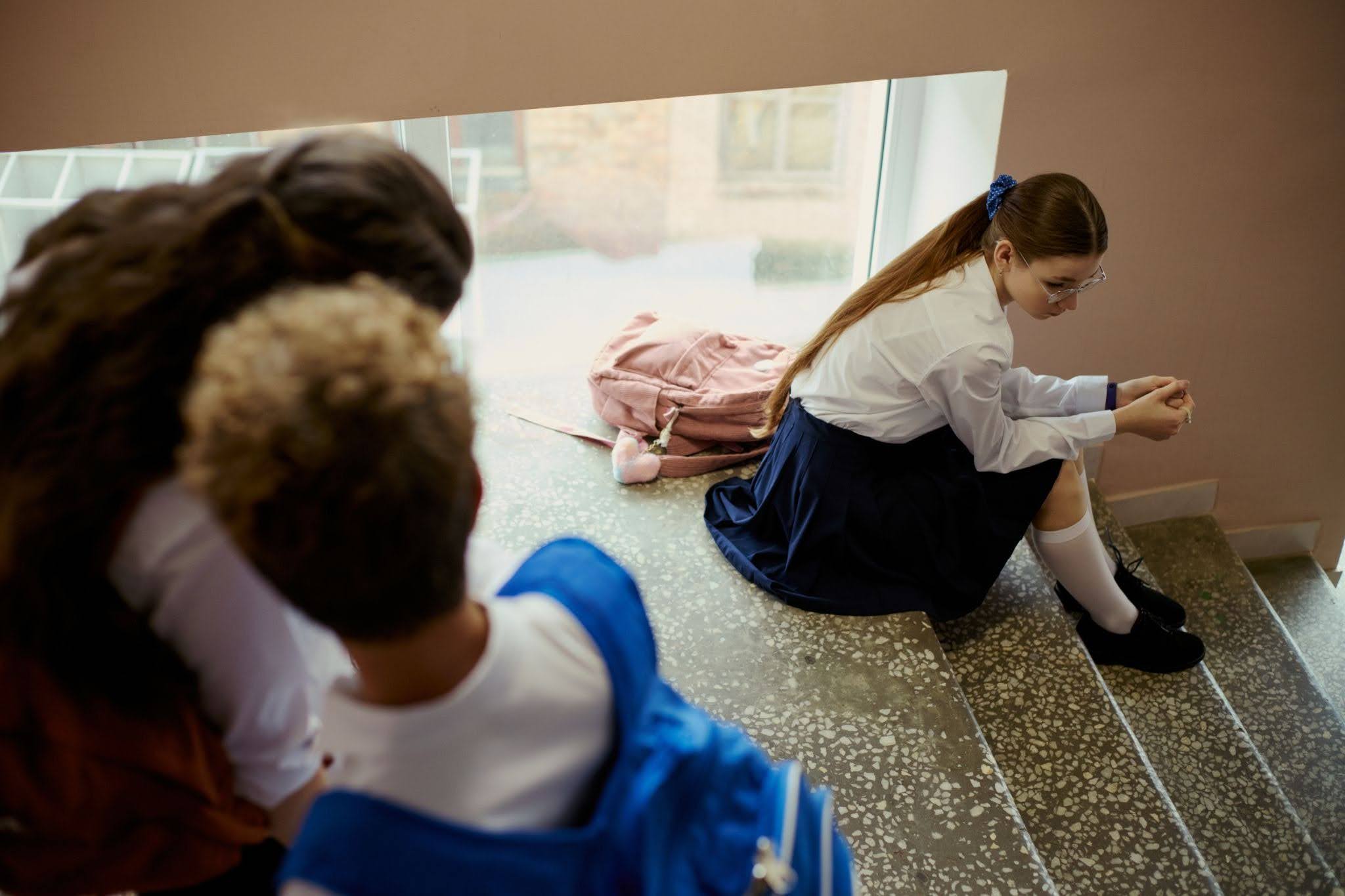
While it feels good to be understood by your child, relying on them for emotional sustenance creates anxiety. Children are intuitive; they pick up on stress even when we don't articulate it. When we explicitly bring them into our adult problems - financial worries, marital strife, deep-seated insecurities—we rob them of the carefree nature of childhood.
A child who is busy taking care of Mom’s feelings doesn't have the space to figure out their own. They might grow up feeling responsible for everyone else's emotions, leading to perfectionism, anxiety, or a tendency to enter codependent relationships in adulthood. They learn that love means self-sacrifice and that having their own needs makes them "selfish" or threatens the bond with the parent.
Reclaiming Adult Vulnerability
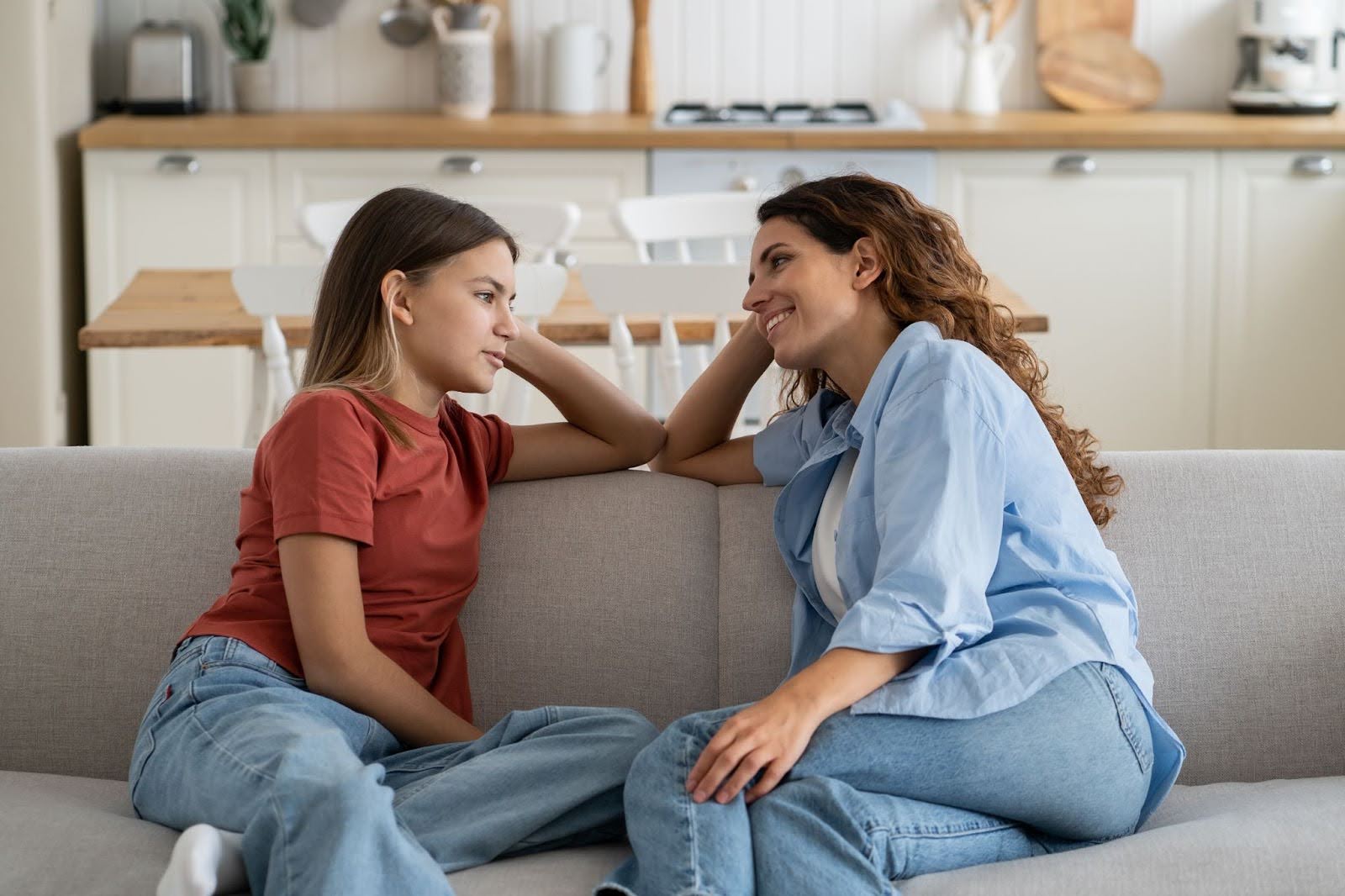
Recognizing that you may have slipped into this dynamic is not a cause for shame. It is often a sign that you are lonely and that your natural need for connection is going unmet. The goal is not to cut off emotional intimacy with your child, but to ensure that the flow of support goes downstream - from you to them - not upstream.
Assessing Your Support System
Take an honest look at your adult relationships. Are you avoiding difficult conversations with your partner because it’s easier to complain to your child? Are you isolating yourself from friends? Rebuilding a support system of peers is essential. This might mean:
- Re-engaging with friends: Scheduling time with women who understand your life stage and can offer reciprocal support.
- Seeking professional therapy: A therapist provides a truly safe, non-judgmental space to unload your burdens without consequences.
- Communicating with your partner: This is the hardest step, but also the most crucial. Expressing your need for emotional safety to your partner, rather than bypassing them for your child, is the only way to heal the relationship gap.
Setting New Boundaries
You can still be close with your child without being enmeshed. It is healthy to say, "I had a hard day," but it crosses a line to say, "I had a hard day because your dad is being a jerk again."
Start practicing developmentally appropriate sharing. Ask yourself: Is this information helpful for my child, or is it just a relief for me? If it’s the latter, pause. Call a friend, write in a journal, or take a walk. Let your child go back to being a child.
Empowering Yourself to Heal
Breaking the cycle of emotional parentification requires courage. It requires us to face the scary prospect of being vulnerable with peers who might not always give us the reaction we want. But it is worth the risk.
When you seek support from other adults, you model healthy boundaries for your children. You show them that it is possible to have needs and get them met in appropriate ways. You free them from the job of being your emotional caretaker, allowing them to focus on their own growth, their own friendships, and their own beautiful, messy lives.
You deserve to be supported by people who can truly hold space for you. And your children deserve the freedom to just be kids, secure in the knowledge that you are strong enough to handle your own storms.